


Last weekend I had the privilege of delivering a talk at the Royal Engineers Reserves Study Weekend. This was focused on the Royal Engineer units involved in the Line of Communications.
The aim was to focus and discuss some of wide range of units used for the operation and maintenance of the Line of Communication – Basically the supply and logistics lines that supported the Front line units and the battle area.
The initial part looked at how the British Army learned the lessons of maintaining and securing the Lines of Communication during the Colonial period and then how the Royal Engineers deployed and refined its many skills in the Boer war with the LoC works and units
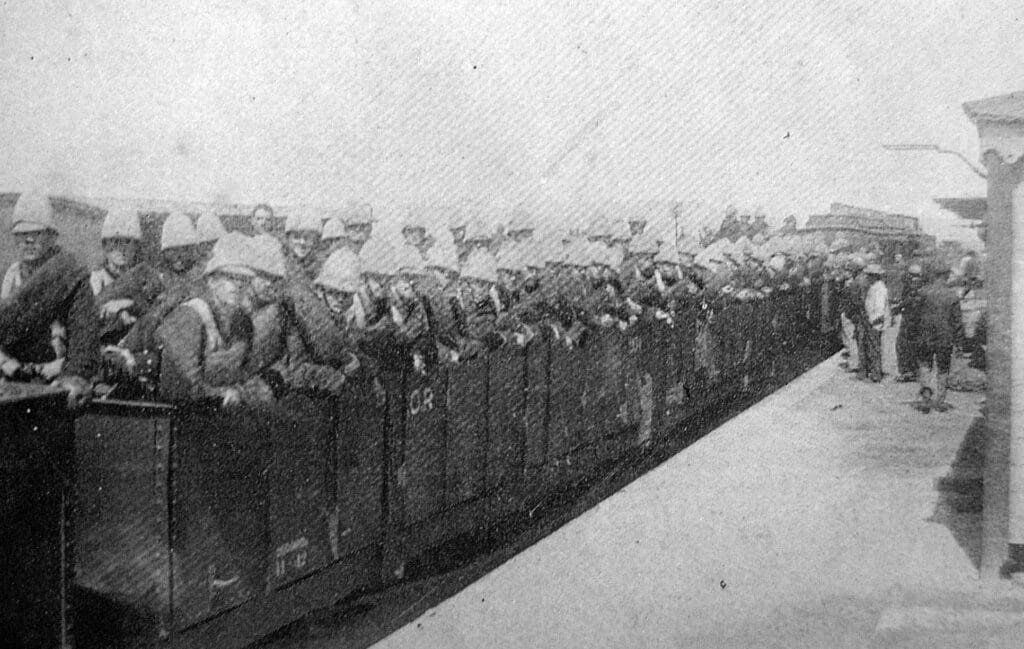
The period between the Boer War and the Great War saw some significant changes for the British army and for the Royal Engineers, with the creation of the British Expeditionary Force of 6 Infantry Divisions and one Cavalry Division. Linked with that there was the supporting RE units that were created to support the BEF and its Line of Communication.
However the interesting part of the research was finding out that there had been very high level secret discussions between the British and French General staff in 1911 about the possibilities of a European war and how the BEF could be integrated and supported by the French. While the French made promises to support the BEF and to carry out all works and maintenance on the LoC for the BEF, in private they were quite dismissive of the fact that the BEF would only be 6 Divisions and as such didn’t merit any real support in comparison to the French Army.
Based on the assurances given, the British planning for a future European war didn’t focus on the LoC, this lack of planning and developing of organic British units would have significant impact when the war starts in 1914 and the race to catch up, combined with the rapid expansion of the British Army as a whole meant that it wouldn’t be until late in 1916 by the time that the British army had a handle on the LoC operation and the development of it going forward.

It became apparent very early that the French Authorities at the British allocated ports could not deal with the increase in shipping and the management of stores, Troops and horses being unloaded and moved forward. The British had to bring in Managers and man power from British ports to take over the areas allocated and to unload shipping as quickly and efficiently as possible.
These ports also provided the locations for the RE Base Park Companies who would deal with works and stores and prepare to move items forward to the Advanced Park Companies who would then along side the Forward supply depots look at distributing the stores, material and equipment needed .

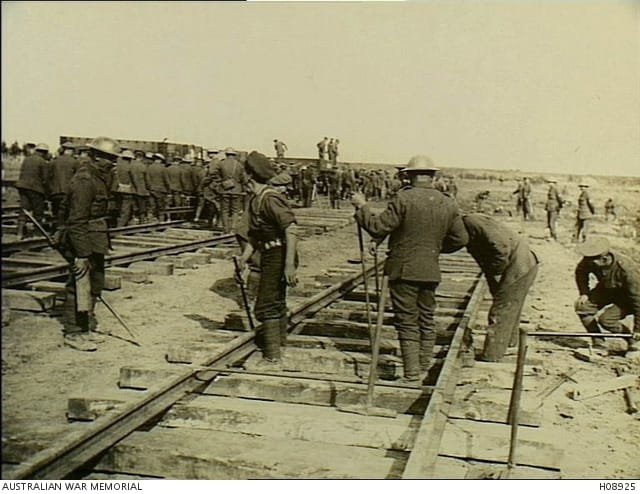
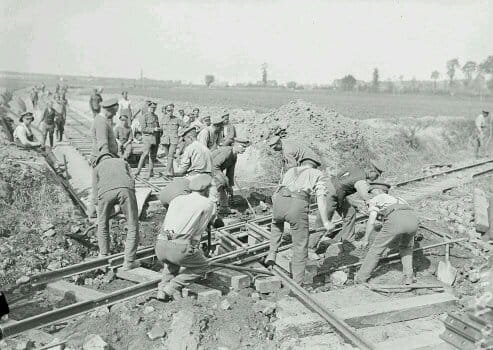
I also looked at the specialist LoC units that the Corps deployed and some of the impact that they had. Such as the expansion and development of the RE Railway units, both in terms of construction and operating the rail network at standard gauge and then from late 1916 the construction and operation of the narrow gauge railways.
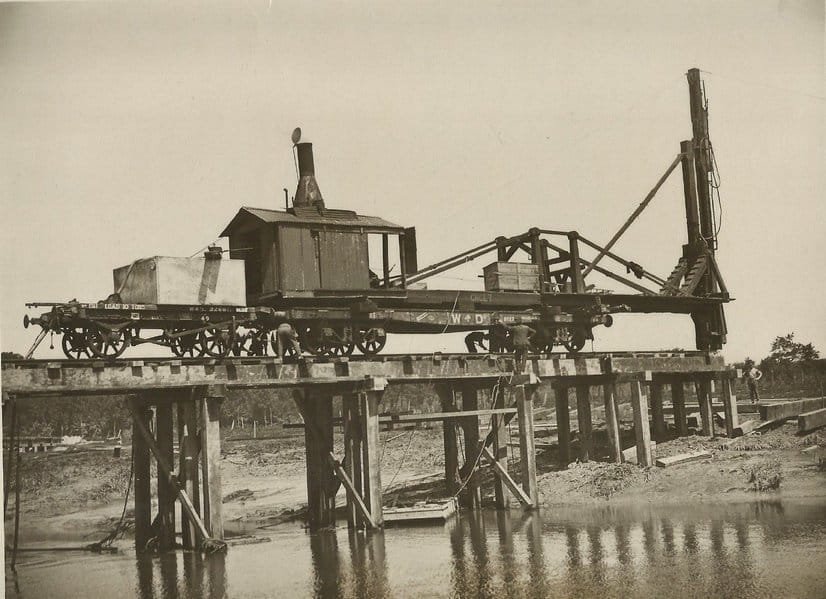
I also discussed the essential work of the RE Forestry Companies and the Canadian Forestry Corps and how they helped to reduce the need for importing timber, which in 1914 and 15 was taking 65% of tonnage space on ships, that space was needed for Men, munitions, food and supplies. As such the 11 RE Forestry Companies and the Canadians helped to reduce that significantly and by 1918 were supplying monthly and average of 51,000 tonnes of cut and worked timber for use by the BEF.
Another particular favourite unit of mine that was key to the BEF was that of the Inland Water Transport, responsible for operating of the Docks (as mentioned earlier), the navigable waterways and operation of vessels on the rivers and canals of France and Belgium.

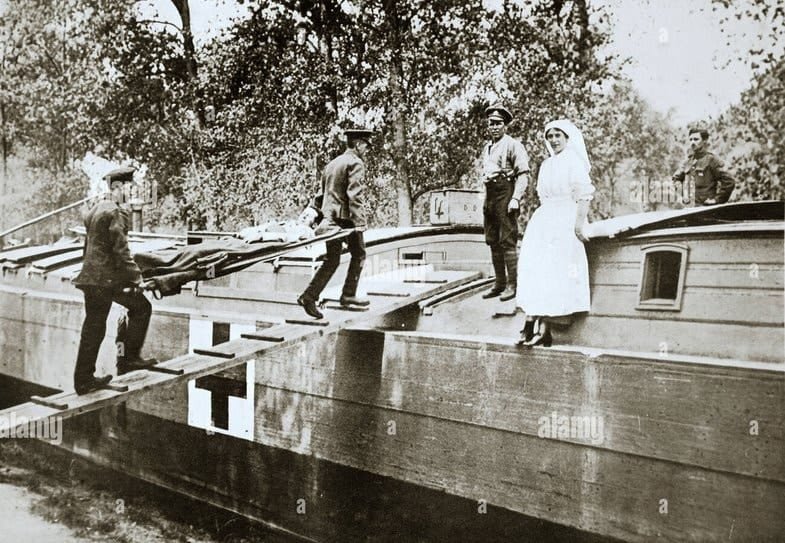
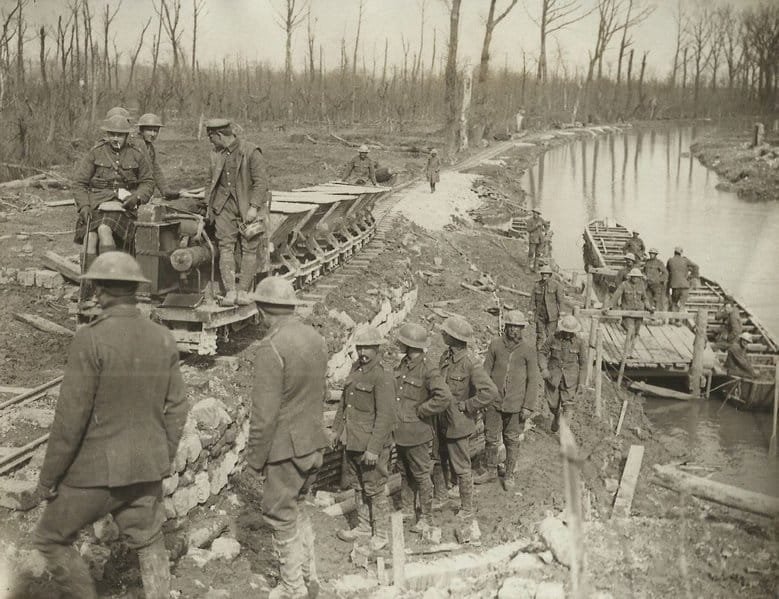
It was also necessary to cover some of the other major LoC RE units, such as the labour battalions and the Road Construction Companies. These units were specifically recruited from the Navvies and the road units from the British Borough and County road departments, thus ensuring that those recruited where the masters of their trade and skills.

It was a similar story with the need for working Quarries to supply materials for construction and for the construction of roads.
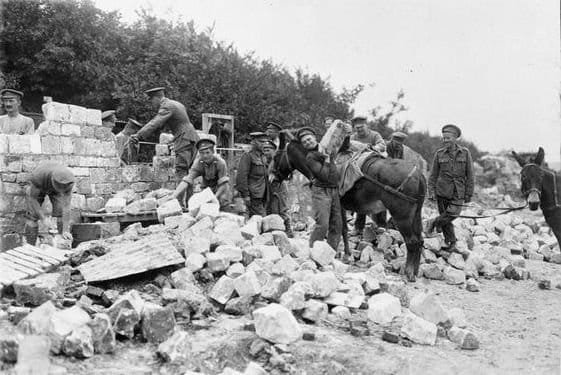
And vitally important in the Flanders area was the need for specialist Drainage Companies, the Corps recruited experts from the Fen District to create 2 Drainage units.
The ramping up of the Corps through the war is interesting, while there is a lot of focus on the Special Units such as Gas Units and also the Tunnellers, the less glamorous units for the LoC are vital and their stories are just as facinating once you start digging into them.
The other piece that has been interesting when researching for this talk was looking at the Line of Communication development in two other theatres that I’ve been researching over the last couple of years. In the Egypt and Palestine campaigns of the Great War the development of solid Logistics and Line of Communications were key and often dictated the pace and planning of the Operations. In contrast the lack of planning in the Mesopotamia Campaign and not establishing solid Lines of Communication in that environment impacted directly on the Campaign and many battles and resulted in a 12 month delay while the LoC problems could be fixed before serious military offensive operations could be successfully undertaken.

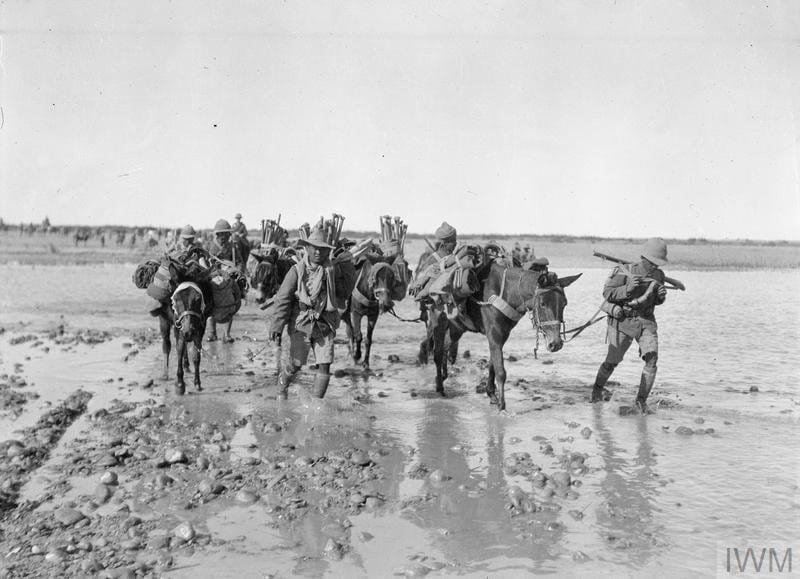
Once again it has been fascinating to research the RE involvement in the LoC on the Western Front and a very specific area that I will look at in a bit more detail is the Secret talks between the British and French General Staff in 1911 to see how it impacted the early deployment of the BEF and the RE units that were deployed.